The Finals
The Finals: Performance settings and control tuning
This The Finals guide focuses on performance settings and control tuning — written for players who want clearer decisions in live matches without chasing outdated shortcuts. Use it as a structured reference before you queue.
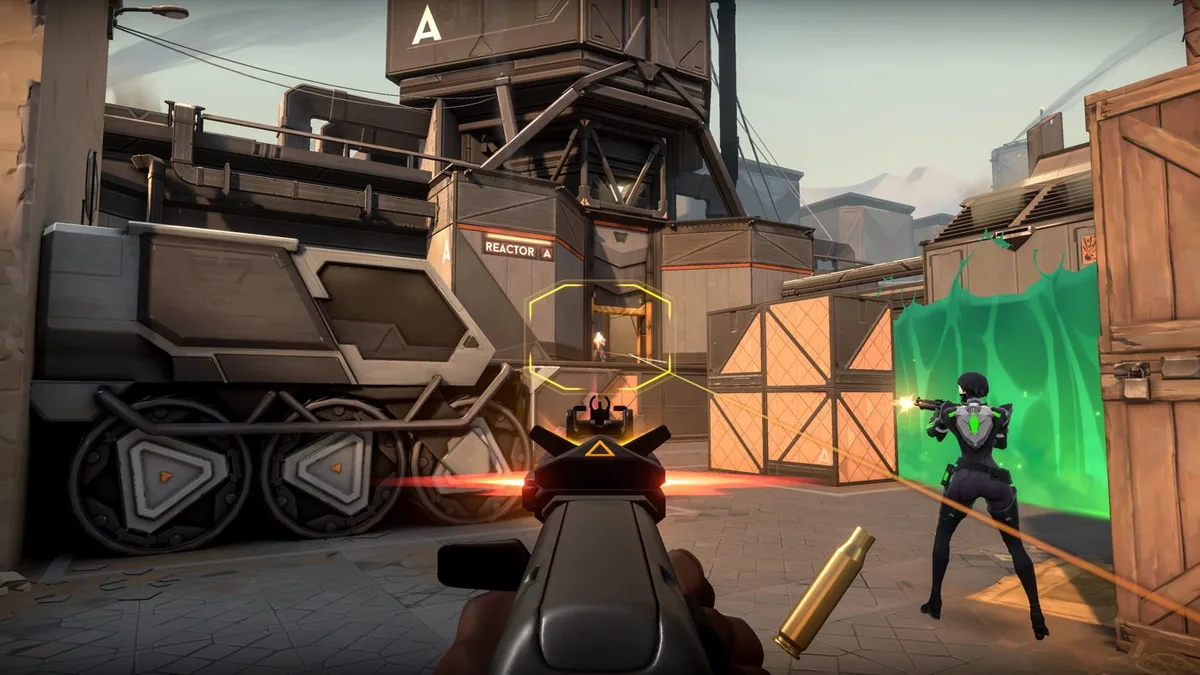
Settings, FPS, and input tuning
Performance stability matters in The Finals. Cap frame times before you chase ultra graphics. Lower shadows and volumetric effects first; keep clarity on enemy silhouettes and crosshair feedback.
Sensitivity should allow a full 180° turn without overshooting doorways. Test on moving targets, not static walls. Small reductions in sens often improve consistency more than hardware upgrades.
Beginner mistakes that cost extracts
New The Finals players over-loot, under-heal, and fight on bad terrain. Set a loot timer: when it expires, rotate toward extract even if your bag is not full.
Carry enough healing for two bad trades, not one perfect fight. Exits win raids — gear only matters if you leave with it.
Fair play, anti-cheat context, and community safety
The Finals uses anti-cheat and fair-play systems that evolve with patches. Third-party tools that bypass those protections risk account penalties and degrade match quality for everyone. Understanding how official enforcement works helps you spot abnormal play and report it responsibly.
Focus on verifiable skills: map timing, audio, economy, and team coordination. Those fundamentals stay valuable across seasons and do not depend on shortcuts that trigger detection systems.
Maps, zones, and rotation timing in The Finals
Map knowledge in The Finals is not memorizing every wall — it is knowing which lanes connect high-traffic fights and which paths let you disengage. Walk each major zone once without fighting and mark extract timers, choke points, and vertical cover.
Rotations should answer one question: “Where is the next safe value?” Rotate before you are forced to sprint through open ground. Players who pre-plan two exits per push rarely get caught in collapses.
For more game updates, guides, and related resources, you can also explore this resource.