Once Human
Once Human: Squad coordination and solo discipline
This Once Human guide focuses on squad coordination and solo discipline — written for players who want clearer decisions in live matches without chasing outdated shortcuts. Use it as a structured reference before you queue.
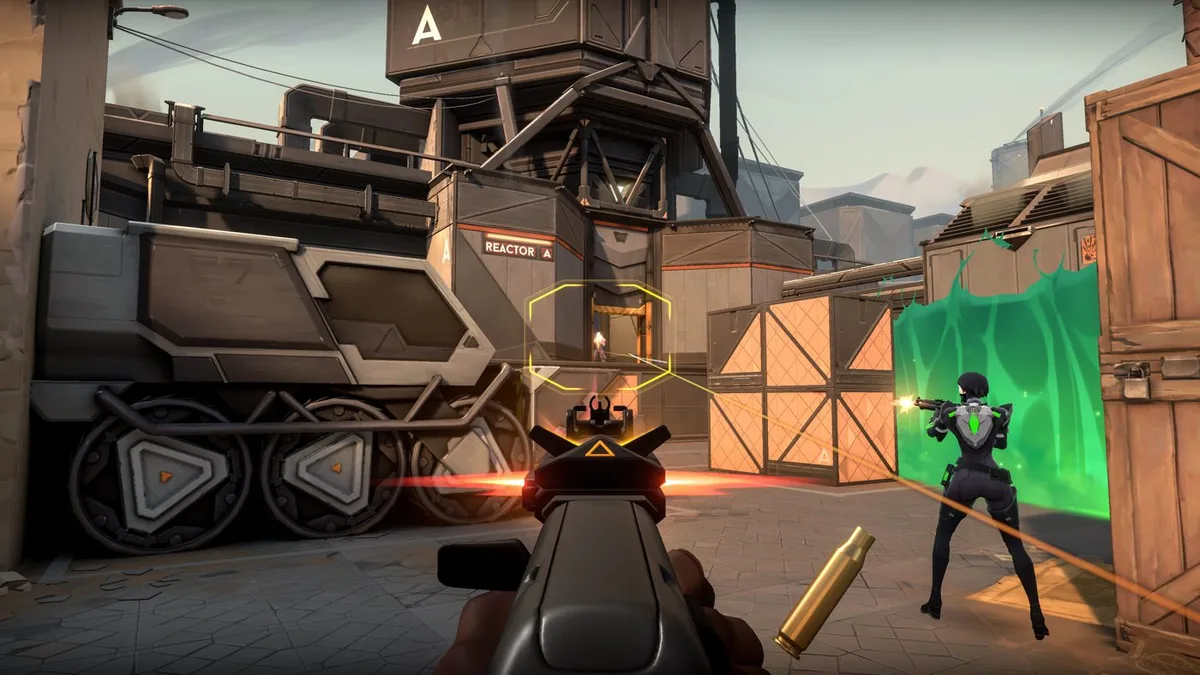
Solo versus squad play in Once Human
Solo play in Once Human demands faster information reads and stricter discipline. You cannot trade space as freely, so avoid extended duels unless you have a clear exit. Squads win by role clarity: one player scouts, one holds angle, one plays utility.
Communication should be short and positional — compass callouts, distance, and intent. Long stories mid-fight create tunnel vision. Practice one shared comms format and reuse it every session.
Seasonal updates and patch-day planning
When Once Human patches drop, read notes for damage, spawn, and loot changes before you queue. Balance shifts often move the meta faster than social media summaries.
After updates, run short test matches with old loadouts before committing stash value. Patch day volatility is normal; patience on day one avoids preventable gear loss.
Fair play, anti-cheat context, and community safety
Once Human uses anti-cheat and fair-play systems that evolve with patches. Third-party tools that bypass those protections risk account penalties and degrade match quality for everyone. Understanding how official enforcement works helps you spot abnormal play and report it responsibly.
Focus on verifiable skills: map timing, audio, economy, and team coordination. Those fundamentals stay valuable across seasons and do not depend on shortcuts that trigger detection systems.
Understanding Once Human core gameplay loops
Once Human rewards players who read the lobby, understand spawn pressure, and know when to push versus reset. New players often lose hours because they treat every match like a deathmatch. Learn the default win condition first — extraction, objective control, or survival — then build habits around that rhythm.
Spend your first sessions mapping safe routes and audio cues. In Once Human, sound and positioning usually beat raw reflexes. Note where fights start, where third parties arrive, and which zones stay quiet long enough to loot or heal.
For more game updates, guides, and related resources, you can also explore further reading.